Air New Zealand expects capacity to recover in the current year after reporting a pre-tax loss of $336 million today.
The airline predicts the 2027 financial year to be both a transition and recovery year, with operational performance to continue to improve.
NZ says domestic capacity will continue to be hit by tactical fuel-related reductions for the rest of this calendar year, but will recover in 2027 with the delivery of two A321 aircraft.
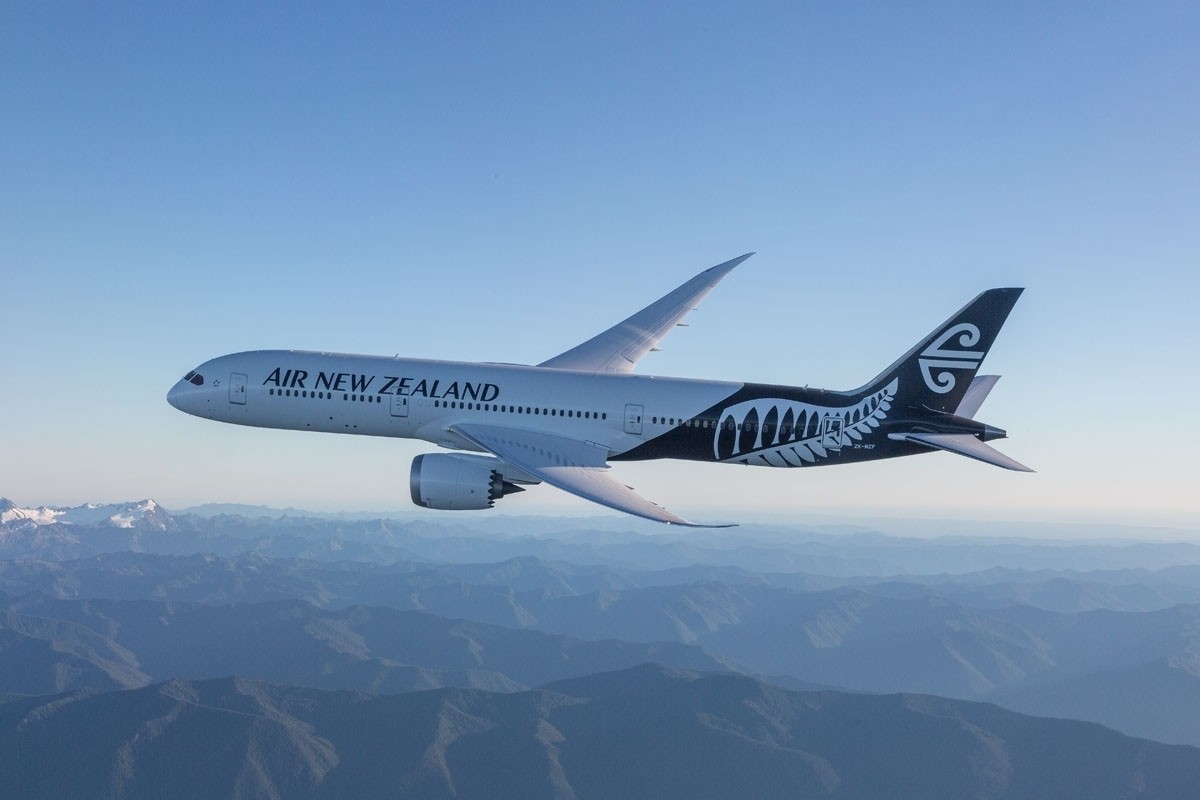
Its international routes will be bolstered by new Boeing 787 aircraft (although deliveries have been slowed) and new routes from Christchurch, it adds.
The refurbishment of its 14 existing Dreamliners will be finished by the end of this year and the cabin refresh of its Boeing 777s will start early next year. NZ has also reported strong inbound demand.
. . . Cost Impact
For the 12 months to 30 Jun, passenger revenue increased 4.8% to $6.1 billion. Capacity was up 1.3% across the network year-on-year as grounded aircraft returned to service, although was partly offset by capacity reductions.
Disruption from engine availability is reducing ‘substantially’ as aircraft return to service, it adds.
NZ ceo Nikhil Ravishankar says there are still residual risks and costs to work through, but that the carrier enters 2027 in a considerably more reliable fleet position.
The carrier increased fares and reduced capacity following the start of conflict in the Middle East on 28 Feb but he says that given the price sensitivity of air travel, airlines have not been able to recover the full increase in fuel costs.”
We took quick and decisive action through fare adjustments and capacity reductions to balance affordability for customers and maximise recovery and will continue to do so,’’ says Ravishankar.
The sharp rise in fuel costs had an estimated $135m impact on the pre-tax result but was less than the $190m impact of engine issues.
New Zealand aviation costs have risen at more than twice the rate of inflation since 2019, says the carrier, adding that charges across New Zealand and the offshore ports, was up $142m from 2025 to $1.2 billion in 2026.