Supply chain issues combined with growing single aisle aircraft fleet expansion is a concern for the aviation industry, says IATA.
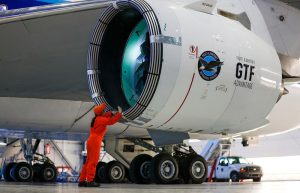
In Mar 648 Pratt & Whitney GTF powered aircraft were grounded, unable to fly due to engine durability issues, spare parts shortages and limited spare engine availability.
The airline association teamed up with Emerton for a new study, Single Aisle Aircraft Engines MRO: Strategic Levers to Address Supply Chain Challenges to investigate the supply issues, and the findings were not positive.
In 2024, single-aisle aircraft engine deliveries totalled 2000, says the report, and this is slated to rise rapidly, with 3700 single-aisle aircraft engines expected to be delivered annually between 2030 and 2040.
This will significantly increase maintenance demand, with annual shop visits forecast to rise from around 600–800 in 2025 to more than 5000 by 2040 for LEAP engines, and from 1000 to more than 2000 for GTF engines, found the report.
. . . Solutions?
IATA director general Willie Walsh says aircraft manufacturers are investing in additional capacity, but warns that capacity alone will not be enough.
The association is calling for better access to spare parts, more approved repair options, fair access to MRO capacity and greater competition in the aftermarket.
This, he says, will involve accelerating the development and approval of repair solutions to reduce scrap rates, expanding licensed production of critical components, and removing barriers that limit independent MRO participation. IATA also wants provisions in aircraft and engine acquisition decisions to secure long-term access to predictable spare parts pricing.
Long-term resilience, says Walsh, will depend on a more transparent, competitive and collaborative aftermarket. “The goal is to get engines back on wing faster, reduce avoidable disruption and ensure that future fleet growth is supported by the MRO capacity and market access airlines need,” says the IATA boss. See the study HERE.