AI, changing consumer expectations, the rise of solo travel and a generational shift in spending are among the trends redefining how agents sell travel, FCTG’s global md luxury and independent Danielle Galloway said at the weekend’s Envoyage conference. 
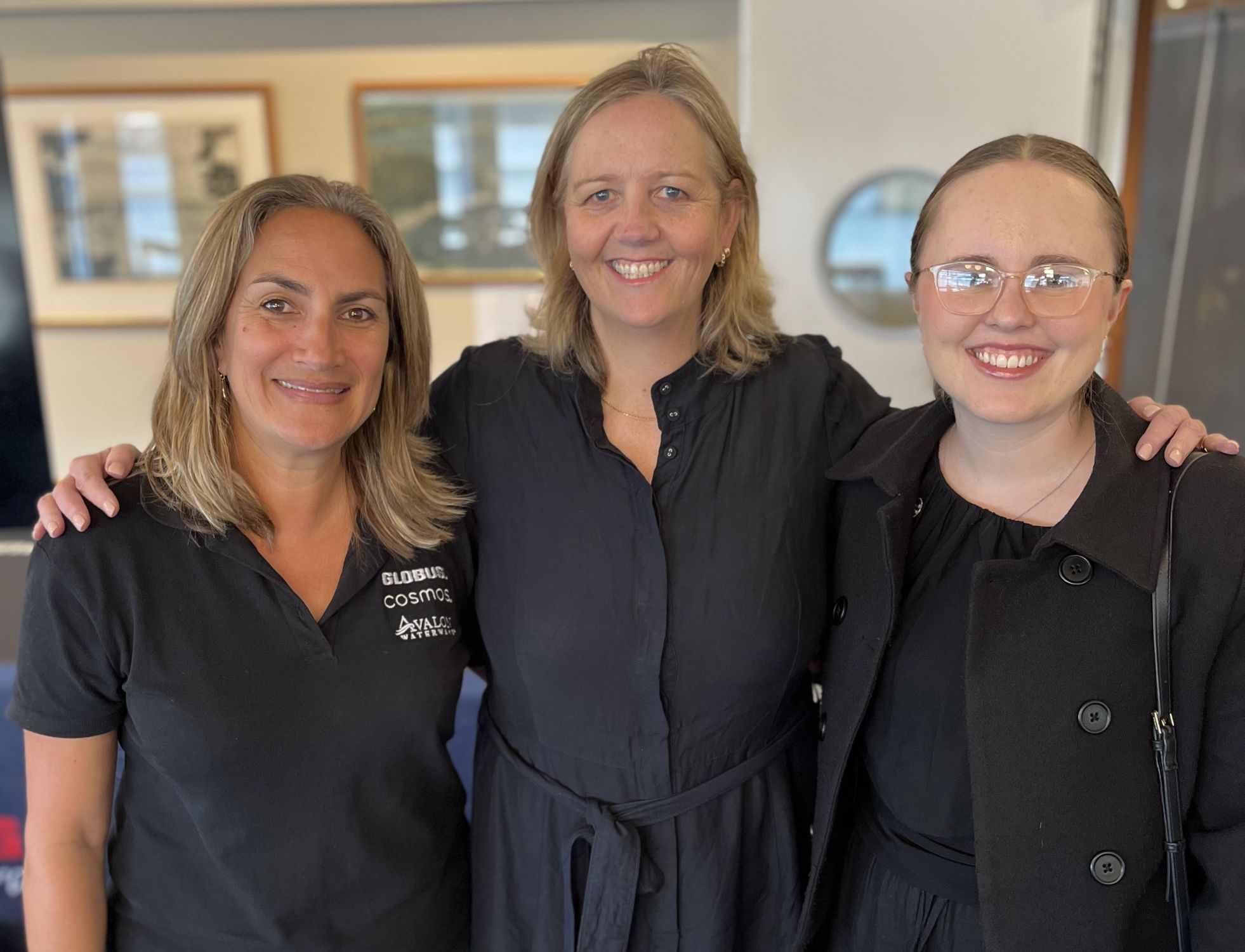
Galloway (pictured) says AI is rapidly taking over elements of travel research, while consumers are becoming more discerning about who they trust.
Solo travel is growing fast and travellers are placing greater value on experiences and meaning, she added, while a major transfer of wealth is creating different expectations about how and why people travel. Combined, Galloway says these five forces are set to reshape the role of the travel advisor.
AI: It can generate itineraries, research destinations and compare travel options in seconds, tasks that once required hours of an agent’s time. And it may increasingly auto mate the most transactional parts of the job, she added but it won’t replace agents. Galloway urges advisors to use AI to improve efficiency while placing greater emphasis on the things technology cannot easily replicate such as judgement, per sonal knowledge, problem-solving and relationships.
Trust: Consumers have access to more travel information than ever, but more details doesn’t necessarily mean more confidence. AI-generated recommendations, on-line reviews and social media content can make it increasingly difficult to know what’s genuinely trustworthy.
This, she says gives agents an important advantage. Research suggests consumers remain more comfortable relying on human expertise for important or complex trips, despite using AI for research. For agents, years of client relationships and a reputation for honest advice can be become a genuine competitive advantage, and potentially strengthen the case for professional service fees, she adds.
Going Solo: Solo travel is no longer about travelling alone, says Galloway. Increasingly, travellers want independence combined with opportunities to meet people and share experiences. That she says creates opportunities for agents selling small-group tours, hosted departures, adventure travel, wellness trips and other products offering ‘connection’. Think, selling the freedom of solo travel without the isolation.
Purpose: Consumers are increasingly spending on experiences that create memories, personal growth and meaning rather than buying more possessions. For agents, this means selling the purpose behind the trip, not just the destination, says Galloway.
The question increasingly becomes not just “Where do you want to go?” but “What do you want this trip to mean?” This, says Galloway, creates opportunities for agents to move beyond selling destinations and become specialists in designing highly personalised experiences.
Wealth Transfer: The huge current transfer of wealth from older generations to Millennials and Gen X will increasingly influence travel spending, says Galloway.
Younger consumers may place greater emphasis on authenticity, experiences, purpose and flexibility, while older travellers may continue to prioritise comfort, certainty and service. For agents, she says, the opportunity is to understand how to sell across the generations.