Airbus forecasts passenger traffic growth of 3.9% a year over the next two decades, as travel shrugs off short term disruption.
The plane maker says urbanisation and gross domestic product growth are driving long-term air travel demand. In its 2026-2045 Global Market Forecast (GMF) Airbus says passenger traffic growth remains resilient. By 2045, the middle class demographic that is most likely to fly will increase by 1.4 billion people (+34%).
Global air traffic is robust and linked to world economic growth as well as people’s desire to travel. “Short-term disruptions like regional conflicts and high fuel prices are not dampening demand long term as historic data shows,’’ the forecast says.
. . . Aircraft Demand
Demand for new efficient aircraft continues to be strong, shows the report. More than 42,000 planes are needed in the next 20 years and some 81% will be single aisle aircraft. This reflects the continued trend for more cost-effective and efficient aircraft. By 2045, Airbus forecasts the percentage of the global fleet that will be made up of the newest generation aircraft will reach almost 100% from around 39% this year.
. . . Growth Areas
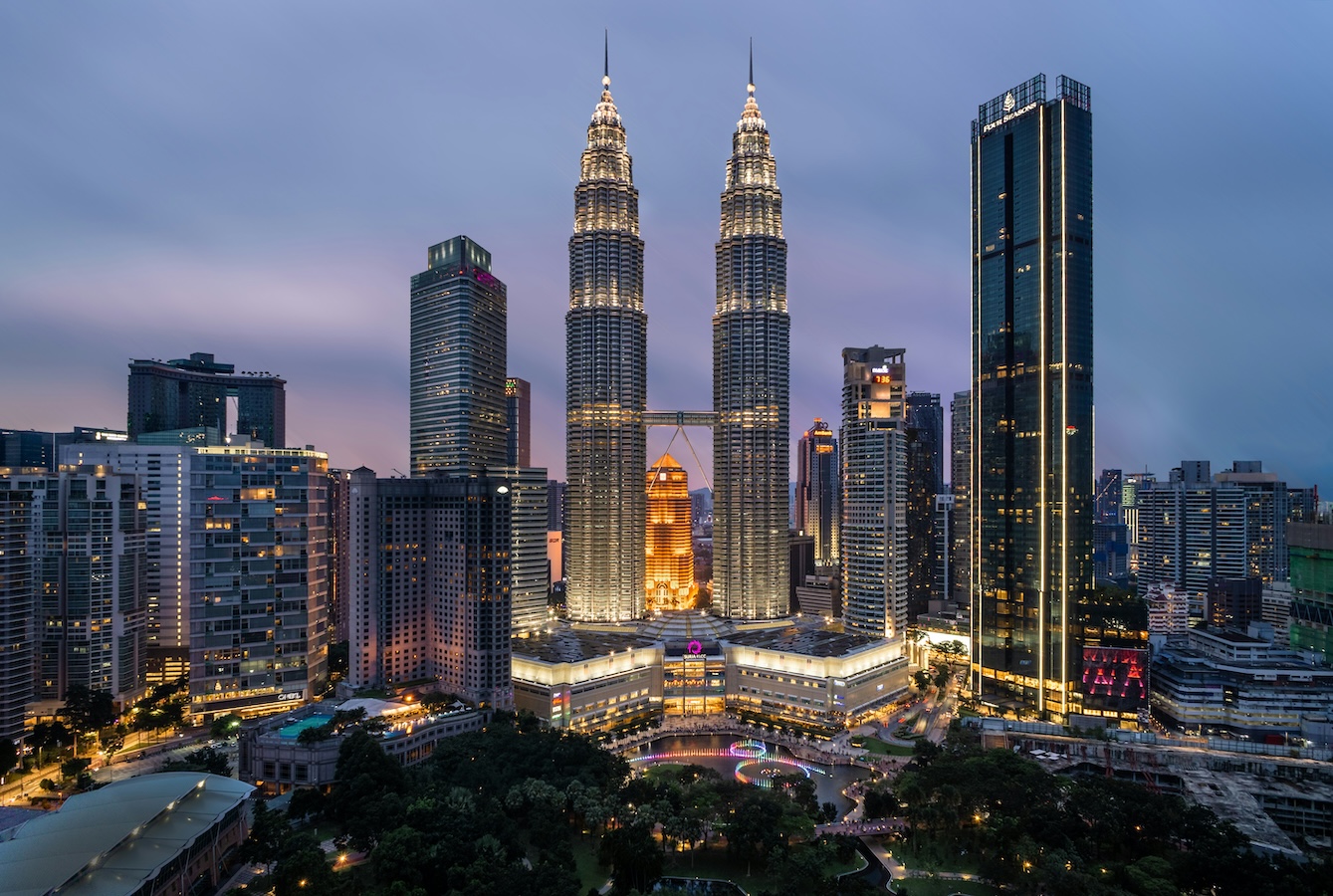
Mirroring an economic shift toward the Asia-Pacific region, traffic patterns are evolving due to robust growth in developing economies like India, Vietnam, Indonesia and Malaysia.
A significant evolution includes increased international migration and family-related passenger travel. The forecast says the number of smaller urban centres will grow at almost triple the pace of larger ones and alongside aircraft efficiencies and more smaller and medium citypairs are forecast, beyond trunk routes. Routes such as Wellington- Brisbane or Melbourne-Alice Springs can already be served by aircraft like the A220. Enhanced aircraft range is also opening new city pairs, allowing direct connections, says Airbus.